


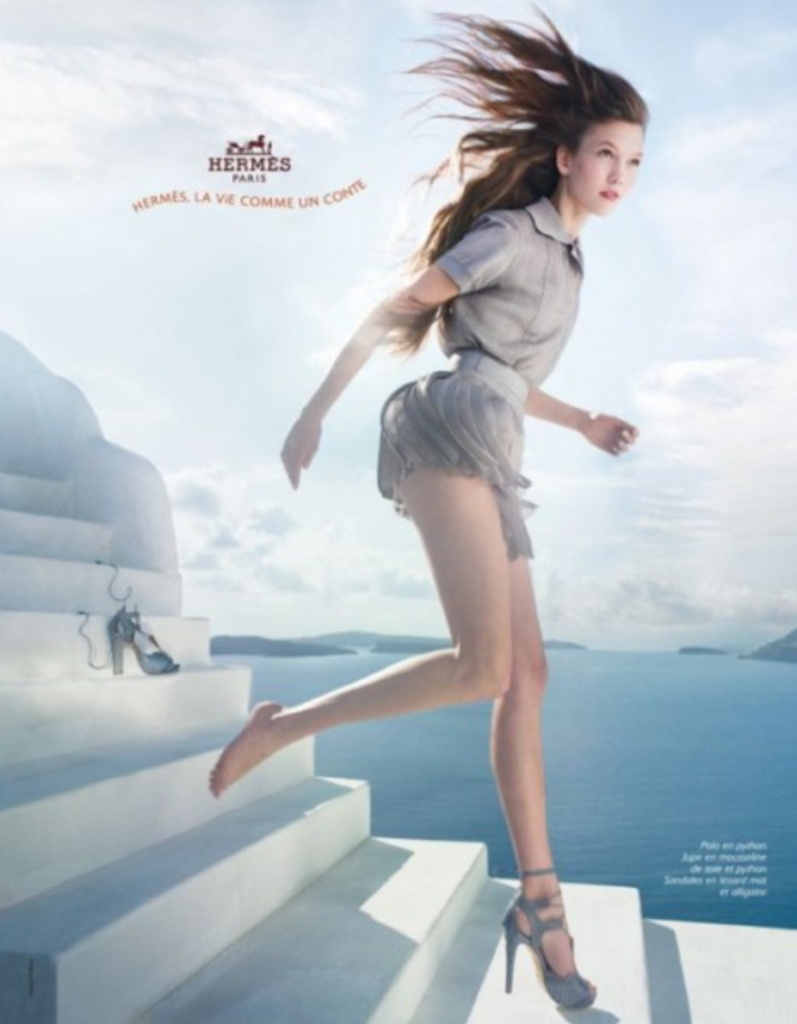
In luxury branding, psychological archetypes significantly shape consumer perception and loyalty. Brands like Hermès, Chanel, and Louis Vuitton exemplify distinct archetypes that define their strategic choices.
Hermès: The Artisan
Hermès embodies the Artisan Archetype, emphasizing craftsmanship and exclusivity. By focusing on haute couture rather than haute jewelry, Hermès reinforces its commitment to quality and tradition. Each product reflects meticulous artistry, fostering a profound connection with consumers who value authenticity. This strategy cultivates loyalty and preserves the brand’s elite status in the luxury market.
Chanel: The Innovator
In contrast, Chanel represents the Innovator Archetype. The brand’s foray into streetwear exemplifies its boldness and ability to redefine luxury. Chanel appeals to consumers seeking both heritage and modernity, seamlessly blending tradition with innovation. This dynamic approach ensures that Chanel remains relevant and desirable, attracting those who appreciate pioneering design.
Louis Vuitton: The Visionary
Louis Vuitton, as the Visionary Archetype, has expanded into hospitality with its Cheval Blanc and namesake hotels. This strategic move reflects a broader vision of luxury as an immersive experience rather than mere ownership. By offering lifestyle experiences, Louis Vuitton captures the imagination of a younger, experience-driven consumer base.
The decisions made by Hermès, Chanel, and Louis Vuitton exemplify how brand archetypes can guide strategic direction. Each brand must navigate the market with intentionality, ensuring its allure and relevance endure.
How are you leveraging your archetype to engage with your audience?
