


Tall timber towers have captured the imagination of architects, developers and journalists alike. Projects such as Ascent MKE in Milwaukee and Mjøstårnet in Norway have become symbols of a possible future in which wood challenges concrete and steel at heights once considered improbable.
Yet the significance of mass timber may ultimately be found closer to the ground.
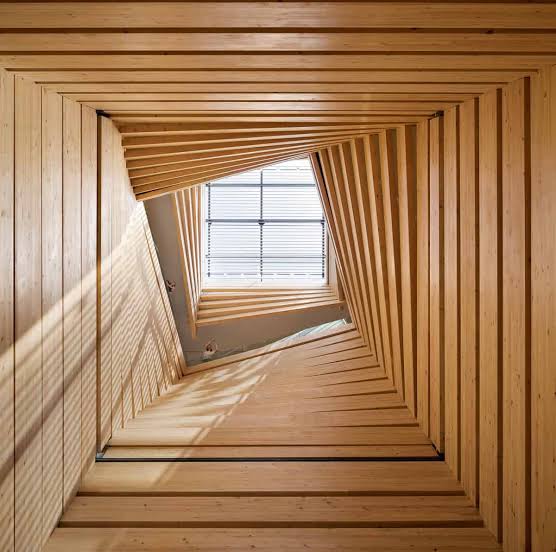
The appeal of engineered wood extends well beyond its ability to rise 20 or 30 storeys into the air. Manufactured from layers of timber bonded into structural components, mass timber offers shorter construction schedules, lower labour requirements and a considerably smaller carbon footprint than conventional concrete construction. Occupants often respond to it instinctively. Wood feels warmer, quieter and more humane than many of the materials that have come to dominate contemporary cities.
As governments and municipalities wrestle with housing shortages, the most compelling application may lie not in landmark towers but in mid-rise residential buildings. Five- and six-storey developments rarely attract international attention, yet they account for a substantial portion of urban growth and represent a far larger addressable market.
The industry has begun adapting accordingly. Austrian hardware manufacturer Beck has developed fastening systems designed specifically for mass timber construction. Specified Technologies in the United States has expanded testing and certification services to support wider adoption. Forestry groups such as Stora Enso increasingly view their forests through the lens of engineered wood production, while countries including Uruguay are positioning themselves as future suppliers to a growing global market.
Record-breaking towers will continue to attract headlines. They serve a useful purpose, demonstrating what is technically possible. The broader opportunity, however, appears less dramatic. It sits in the everyday apartment building, the residential block and the urban infill project, where speed of construction, carbon reduction and cost efficiency carry greater weight than height.
Mass timber may yet reshape the built environment. If it does, it is likely to happen one mid-rise building at a time.
